Small flat removals Bow Three Mills and Fish Island experts
If you are moving out of a compact flat in Bow, Three Mills, or Fish Island, you already know the awkward bits can be the ones that matter most: tight stairwells, limited parking, a lift that seems to have opinions of its own, and boxes that somehow grow heavier the closer moving day gets. Small flat removals in Bow Three Mills and Fish Island need a careful, local approach, not just a van and a bit of muscle.
This guide explains how expert small flat removals work, what to expect, where the risks are, and how to plan a move that feels controlled rather than chaotic. It also covers the practical details people often miss, from access planning and packing to short-stay storage and same-day support. If you are comparing options, you can also look at our flat removals and wider removal services for a clearer sense of what may suit your move.
Table of Contents
- Why Small flat removals Bow Three Mills and Fish Island experts Matters
- How Small flat removals Bow Three Mills and Fish Island experts Works
- Key Benefits and Practical Advantages
- Who This Is For and When It Makes Sense
- Step-by-Step Guidance
- Expert Tips for Better Results
- Common Mistakes to Avoid
- Tools, Resources and Recommendations
- Law, Compliance, Standards, or Best Practice
- Options, Methods, or Comparison Table
- Case Study or Real-World Example
- Practical Checklist
- Conclusion
- Frequently Asked Questions
Why Small flat removals Bow Three Mills and Fish Island experts Matters
Small flat removals sound simple until you are standing in a studio or one-bedroom place with furniture that has to come down a narrow communal staircase, past neighbours, through a front door that barely opens fully, and out to a road where parking is already at a premium. That is the real world in a lot of East London moves. The job may be small in volume, but it is often high in logistics.
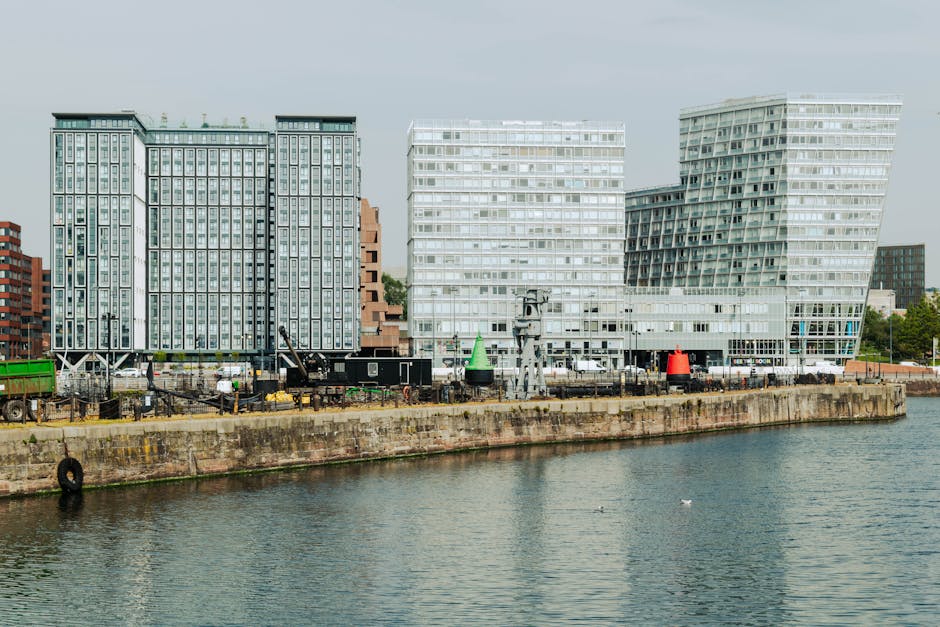
Bow Three Mills and Fish Island have a mix of modern apartment blocks, converted spaces, riverside developments, and older streets nearby. That means access can change from one building to the next. Some moves are lift-friendly. Others require careful carrying, good timing, and a van that can park close enough without causing a fuss. To be fair, this is exactly where experienced movers earn their keep.
Local knowledge matters because small flat removals are often about efficiency rather than scale. A team that understands building access, loading bays, time windows, and the reality of London traffic can save you hours and reduce stress on the day. A move that is planned properly feels calm. A move that is guessed? Usually messy.
Expert summary: A small flat move is rarely "small" once you include access, packing, parking, fragile items, and timing. The best result comes from planning the route, the carry, and the load order before the first box is lifted.
There is also a trust angle. People moving from flats often have fewer items than a full house, so they sometimes assume they do not need much support. But even a modest move can involve valuable items, delicate electronics, awkward furniture, and the need to keep hallways clear. A careful removal plan protects both your belongings and the building.
How Small flat removals Bow Three Mills and Fish Island experts Works
The process usually starts with a quick assessment of what you are moving and how access works. For a flat move, that means more than counting boxes. It means checking the floor level, lift availability, stair width, parking position, loading distance, and whether any item needs dismantling. That small bit of prep can make the whole day run smoother.
In many cases, a man and van or man with van style service is ideal for compact moves. It is flexible, quick to load, and often better suited to single-occupancy or one-bedroom flats than a large vehicle you do not really need. If your move involves a little more volume, a slightly larger removal van may be the better fit.
On moving day, the team typically follows a simple but disciplined sequence:
- Arrive and assess access, parking, and safe loading points.
- Protect floors, door edges, and furniture where needed.
- Carry items in a sensible order, usually starting with larger pieces.
- Load the van to keep heavy items stable and fragile items protected.
- Transport belongings, then unload by room to make settling in easier.
That sequence sounds straightforward, but the value is in the detail. A good team does not just move boxes. They think about the order of the load, the easiest path through the building, and how to avoid delays from a lift that keeps closing a bit too quickly. There is always one lift like that.
If you are planning to pack yourself, support services can still help. Many customers choose packing and boxes before the move, or packing and unpacking services when time is tight. For short distance moves inside London, a little packing help goes a long way.
Key Benefits and Practical Advantages
Small flat removals in Bow Three Mills and Fish Island are not just about getting things from A to B. They are about reducing friction. When done well, they save time, limit lifting strain, and stop the whole move from taking over your week.
Here are the main advantages people notice first:
- Less wasted time: A local team understands traffic patterns and access realities, so the move starts on time and flows better.
- Better handling of awkward items: Sofas, bed frames, desks, mirrors, and bikes all need different handling.
- Lower stress: You are not juggling parking, carrying, route planning, and timing all at once.
- More suitable vehicle size: For small flats, the right-sized van can be easier to park and quicker to load.
- Cleaner handover: If you are leaving a rented flat, moving efficiently helps you meet your checkout timing without rushing.
There is a practical bonus too. Smaller removals often give you the chance to be organised without overcomplicating things. You can separate essentials from non-essentials, decide what needs dismantling, and avoid paying for more vehicle space than you need. That sounds obvious, but a lot of people only realise it after the quote lands.
For anyone moving straight into a new flat, the combination of a compact van, good packing, and local timing can make the day feel almost surprisingly manageable. Not easy, exactly. But manageable. And that counts for a lot.
Who This Is For and When It Makes Sense
This kind of service suits a wide range of people, but especially those moving from studios, one-bedroom flats, shared apartments, or smaller converted spaces. It is also a strong option if you have a limited number of furniture items and want a practical, local move rather than a full-scale removals operation.
It tends to make the most sense for:
- first-time renters moving into or out of a small flat
- couples moving between nearby London properties
- students or young professionals with a manageable amount of furniture
- people leaving a riverside apartment or modern block with controlled access
- tenants working to a tight handover window
- anyone who needs a fast, tidy move without unnecessary vehicle size
It can also suit people who are splitting a move into stages. For example, you might move the main furniture one day, then use storage for items you are not ready to unpack yet. That approach can be useful if the new place is not fully sorted, or if the lease dates do not line up perfectly.
Sometimes a small flat move is really just a home move with a smaller footprint. In those cases, it helps to compare the job against broader services such as home moves or, if you are comparing your options, removals more generally. The point is to match the service to the actual job. That saves money and a fair bit of irritation.
Step-by-Step Guidance
If you want the move to go smoothly, break it into stages. Here is a simple method that works well for small flat removals in this part of London.
1. Take a realistic inventory
List the furniture, boxes, and awkward items you actually have. Be honest. Count the bedside table, the chair that lives in the corner, the fan, the mirror, and the plant that is somehow taller than the rest of the room. Small items add up quickly.
2. Check access before booking
Measure doorways if necessary, note whether there is a lift, and think about parking. If your building has a loading rule or time restriction, build that into the move plan. A five-minute delay at the wrong point can affect the whole day.
3. Decide what needs dismantling
Bed frames, modular shelving, and some wardrobes move more safely in pieces. If you can dismantle them in advance, great. If not, make sure the team knows what to expect. The less guesswork, the better.
4. Pack by priority
Set aside an essentials box with chargers, kettle items, toiletries, medication, and a change of clothes. Then pack room by room. Labeling is still worth it, even for a small move. It saves confusion when the first evening is already busy.
5. Confirm timing and route
London timing matters. Morning rush, school runs, weekend traffic, and roadworks can all affect the schedule. A local removal team should take this into account and leave enough breathing room. Rushing is where mistakes creep in.
6. Protect what matters
Use blankets, covers, and proper wrapping for furniture and fragile items. If the move includes anything delicate or unusually heavy, say so early. For example, a large TV, a glass table, or a piece of art may need a more careful carry than standard boxes.
7. Unload with a plan
At the destination, decide which room gets which items before unloading starts. It sounds small, but it keeps hallways clear and helps you settle in faster. Truth be told, this is one of those steps people skip and then regret an hour later.
Expert Tips for Better Results
Here are the little things that often make the biggest difference on the day.
- Book the right size vehicle: Too small and you need extra trips. Too large and parking becomes awkward. Balance matters.
- Prepare a clear path: Hallways, entrances, and staircases should be free of loose items before anyone starts lifting.
- Keep one bag with you: Passport, keys, payment details, medications, phone chargers, and anything valuable should travel with you.
- Tell the team about fragile items early: Mention mirrors, monitors, and anything sentimental. People often forget the sentimental pieces until the last minute.
- Use the move to declutter: Small flat moves are ideal for deciding what is worth taking and what is not.
One useful local tip: if you are moving from a riverside development or a busy estate, ask about the best loading window. The difference between a smooth move and a slightly awkward one can come down to ten minutes and a decent parking spot. That is London for you.
If you are moving under time pressure, consider whether you need same-day removals. Not every move should be squeezed into one day, but for some smaller flats it can be the simplest solution.
Common Mistakes to Avoid
Small flat removals are deceptively easy to underestimate. Most problems come from planning gaps rather than volume.
- Assuming everything will fit without measuring: A sofa that fits in the old flat may still be a pain to move through the exit.
- Leaving packing too late: The last hour before moving day is not the time to discover how many mugs you own.
- Ignoring parking access: A van that cannot park nearby means more carrying, more time, and more stress.
- Not protecting communal areas: Damage to walls or floors can create an expensive headache.
- Mixing essentials with general boxes: That first-night confusion is avoidable, honestly.
- Choosing the wrong service type: A full house-style approach may be overkill for a small flat, while a very light service may not suit larger pieces.
Another common one is underestimating how long it takes to move out of a building with lift access rules. Some estates are straightforward, others require a careful timetable. If you ignore that detail, the move can feel strangely rushed even when the load itself is small.
Tools, Resources and Recommendations
You do not need fancy equipment to manage a good move, but a few practical tools make life easier.
- Strong boxes: Use sturdy boxes in sensible sizes, not giant ones that become impossible to lift.
- Packing tape and labels: Simple, but essential.
- Furniture covers or blankets: Useful for keeping corners and surfaces protected.
- Basic toolkit: Screwdrivers, Allen keys, and spare screws for dismantled furniture.
- Reusable bags: Handy for loose items, bedding, or last-minute bits.
- Inventory list: A short written list helps you check nothing is left behind.
For people moving out of a flat where there are extra items to clear, furniture removals or even furniture pick up can be useful if you are not taking everything with you. It is often more efficient to separate moving items from unwanted items rather than trying to solve it all on the same morning.
If you want a broader view of support options, it can help to look at removal companies and compare the style of service offered. Different moves need different levels of input. There is no prize for choosing the biggest option if your actual move is compact.
Law, Compliance, Standards, or Best Practice
For most small flat removals, the main compliance points are practical rather than dramatic. You are usually dealing with safe lifting, building access rules, parking considerations, insurance, and clear communication with all parties involved.
In the UK, professional removals should be managed with attention to safe handling, proper vehicle loading, and care for property. It is also sensible to check what insurance is in place and how claims or damage concerns are handled. If you are moving from a block with communal areas, hallways and lifts should be treated carefully, because accidental damage is the sort of thing nobody enjoys discussing later.
Best practice also means being honest about the contents of the move. If something is unusually heavy, fragile, or awkward, say so. That includes items like a piano, which would need specialist attention and should not be treated as standard flat furniture. For more complex items, dedicated services such as piano removals are the safer route.
It is also wise to read the company's policy pages before booking, particularly if you want clarity on service terms, safety, security, or sustainability. Useful pages to review include insurance and safety, health and safety policy, payment and security, and recycling and sustainability. That is not overthinking it. It is just sensible.
Options, Methods, or Comparison Table
Different small flat moves benefit from different approaches. Here is a straightforward comparison to help you decide what fits best.
| Option | Best for | Strengths | Watch-outs |
|---|---|---|---|
| Man and van | Studio or one-bedroom flat moves with limited furniture | Flexible, efficient, usually well suited to local jobs | May not suit very large loads or complex access unless planned carefully |
| Dedicated removal van | Small to medium flat moves with a bit more furniture | Good balance of space and manoeuvrability | Parking and access still need to be checked |
| Full removals service | Moves with multiple rooms, fragile items, or tight timeframes | More hands, more support, less lifting on your side | Can be more than you need for a tiny move |
| Storage-first approach | Moves with date gaps, downsizing, or uncertain plans | Reduces pressure when completion dates do not align | Requires extra planning and an additional step |
There is no single right answer. If your flat is packed with books, a desk, bed furniture, and a few heavy bits, the more supportive option may be worth it. If you are moving a compact studio with a handful of boxes, a lighter approach can be perfect. The trick is choosing honestly, not aspirationally.
Case Study or Real-World Example
Picture a typical Friday afternoon move from a one-bedroom flat near Bow. The customer has a sofa, bed frame, mattress, TV, desk, chair, and around fifteen boxes. On paper, that is a small move. In reality, the building has a narrow lobby, a lift that only fits one bulky item at a time, and a loading area that needs careful timing.
The move goes well because the preparation is simple and specific. The bed is dismantled in advance. Fragile items are packed separately. The van is sized correctly, so there is no wasted space but also no need for a second journey. The team knows to start with the larger items and keep the path clear. By early evening, the flat is empty and the customer is not standing in a half-packed room wondering where the kettle went. That little win matters more than people expect.
That kind of job also shows why local expertise matters. The furniture itself was not unusual. The win came from access planning, loading order, and knowing how to work around the building rather than against it. Simple? Yes. Easy? Not always.
Practical Checklist
Use this checklist a day or two before moving:
- Confirm move date, arrival time, and address details.
- Check stair access, lift use, and parking arrangements.
- List all furniture, boxes, and any fragile or heavy items.
- Dismantle bed frames or shelving if needed.
- Pack an essentials bag for the first night.
- Label boxes by room and priority.
- Protect mirrors, screens, and glass items.
- Set aside items you are not taking and decide whether they need storage or disposal.
- Review booking details, payment terms, and service expectations.
- Keep keys, phone, ID, and documents with you, not in the van.
That is the sort of list that saves you from a stressful scramble. Nothing fancy. Just solid preparation.
Conclusion
Small flat removals in Bow Three Mills and Fish Island work best when they are treated as a logistics job, not just a lifting job. The best teams understand access, timing, vehicle choice, and packing order as part of one process. When that happens, a move that might have felt awkward becomes much more straightforward.
If you want a move that fits a compact flat, protects your belongings, and respects the realities of East London access, the smartest step is to plan early and choose the right level of support. A little preparation makes the day lighter. And once the last box is in place, the place starts to feel like home a lot sooner.
Get a free quote today and see how much you can save.
Sometimes the smallest move is the one that gives you the biggest sense of relief. That's the bit people remember.
Frequently Asked Questions
What counts as a small flat removal?
Usually, it means moving a studio, one-bedroom flat, or another compact property with a limited number of furniture items and boxes. The exact size matters less than how much needs to be carried, packed, and loaded safely.
Are small flat removals in Bow Three Mills and Fish Island suitable for a man and van?
Often, yes. A man and van style service can be a good fit for compact flats, especially when the load is manageable and the route is local. The building access and parking are still important, though.
How far in advance should I book a flat move?
As early as you can, especially if you are moving on a Friday, at month-end, or during a busy period. Small moves can be arranged quickly, but leaving it too late limits your options. A bit of breathing room helps.
Do I need to dismantle furniture before the movers arrive?
Not always, but it helps. Beds, shelving, and some wardrobes are easier to move safely in pieces. If you cannot dismantle them yourself, let the team know in advance so they can plan accordingly.
What if my flat has no parking close by?
That is common in London. An experienced team will factor in the walking distance, loading rules, and the best place to stop. The key is to mention the parking situation early rather than leaving it for the day itself.
Is storage useful for small flat removals?
Yes, especially if you are downsizing, waiting on keys, or moving in stages. Using storage can reduce pressure and help you avoid forcing everything into one tight moving day.
What should I pack separately for the first night?
Keep essentials with you: phone charger, toiletries, medication, snacks, kettle items, a change of clothes, and any important documents. If you can function comfortably without opening ten boxes first, you are doing well.
Can I get help with packing as well as the move?
Yes. Many people use packing and unpacking services or packing and boxes to save time and reduce stress. It is especially useful if you are moving after work or under a tight deadline.
What happens if I only need to move a few items from my flat?
For a light load, a simpler service may be enough. If you are moving just a few pieces of furniture or a modest number of boxes, a smaller vehicle can be the most efficient option. It is worth being honest about the quantity so you do not overbook.
How do I know if I need a full removals service instead?
If you have multiple large items, fragile belongings, poor access, or a strict time window, a more supported service may be the safer choice. Looking at flat removals alongside broader removals can help you decide.
Can the team help with unwanted furniture?
In many cases, yes. If you are not taking everything with you, services like furniture removals or furniture pick up can help clear items that no longer belong in the new place.
What should I check before agreeing to a booking?
Confirm timing, access details, what is included, how fragile items are handled, and any relevant safety or payment information. It is also smart to review pages such as terms and conditions and pricing and quotes so there are no surprises later.